

How to Store and Freeze Catfish After Your Fishing Trip
You’ve had a good morning on Eagle Mountain Lake, caught a mess of catfish, and now you’re headed home with a bag of fresh fillets.
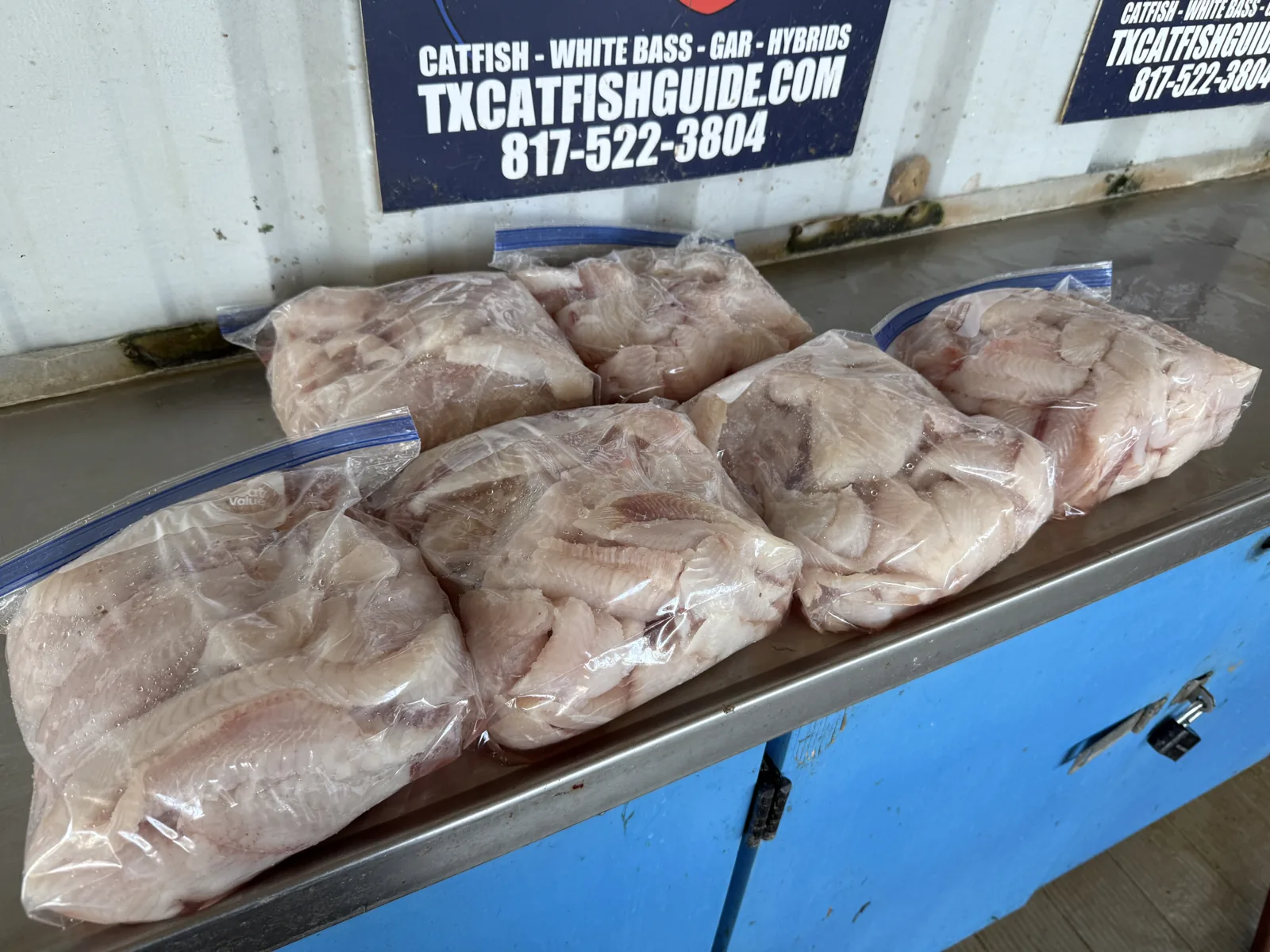
The best way to freeze catfish is to wash the fillets, divide them into meal-sized portions and vacuum seal them. If you don’t have a vacuum sealer, cover the fillets in freezer bags with my mixture of one teaspoon of lemon juice per gallon of water. Remove trapped air, leave room for expansion and freeze. After your North Texas Catfish Guide Service trip, your fish are already cleaned, washed and bagged. Here’s what I recommend doing when you get home so those fillets taste good when fish-fry day rolls around.
What you do next matters. A little time spent washing and packaging your fish will make a big difference when you’re ready for a fish fry.
| Situation | What to do |
|---|---|
| Driving home | Keep bagged fillets cold in an iced cooler |
| Cooking within 1–2 days | Refrigerate at 40°F or below |
| Saving for later | Portion and freeze promptly |
| Best packaging | Vacuum sealing |
| Without a sealer | Completely cover fillets with the lemon-water mixture |
| Freezer temperature | 0°F or below |
| Thawing vacuum-packed fish | Remove the vacuum packaging before thawing |
Keep this in mind: If your fish is vacuum sealed, remove it from the vacuum packaging before thawing.
Bring a Cooler for Your Fish
During your trip, I keep the catfish you plan to take home alive in the boat’s livewell. At the end of a regular trip, I clean, wash, and bag your keeper fish so you leave with fresh fillets.
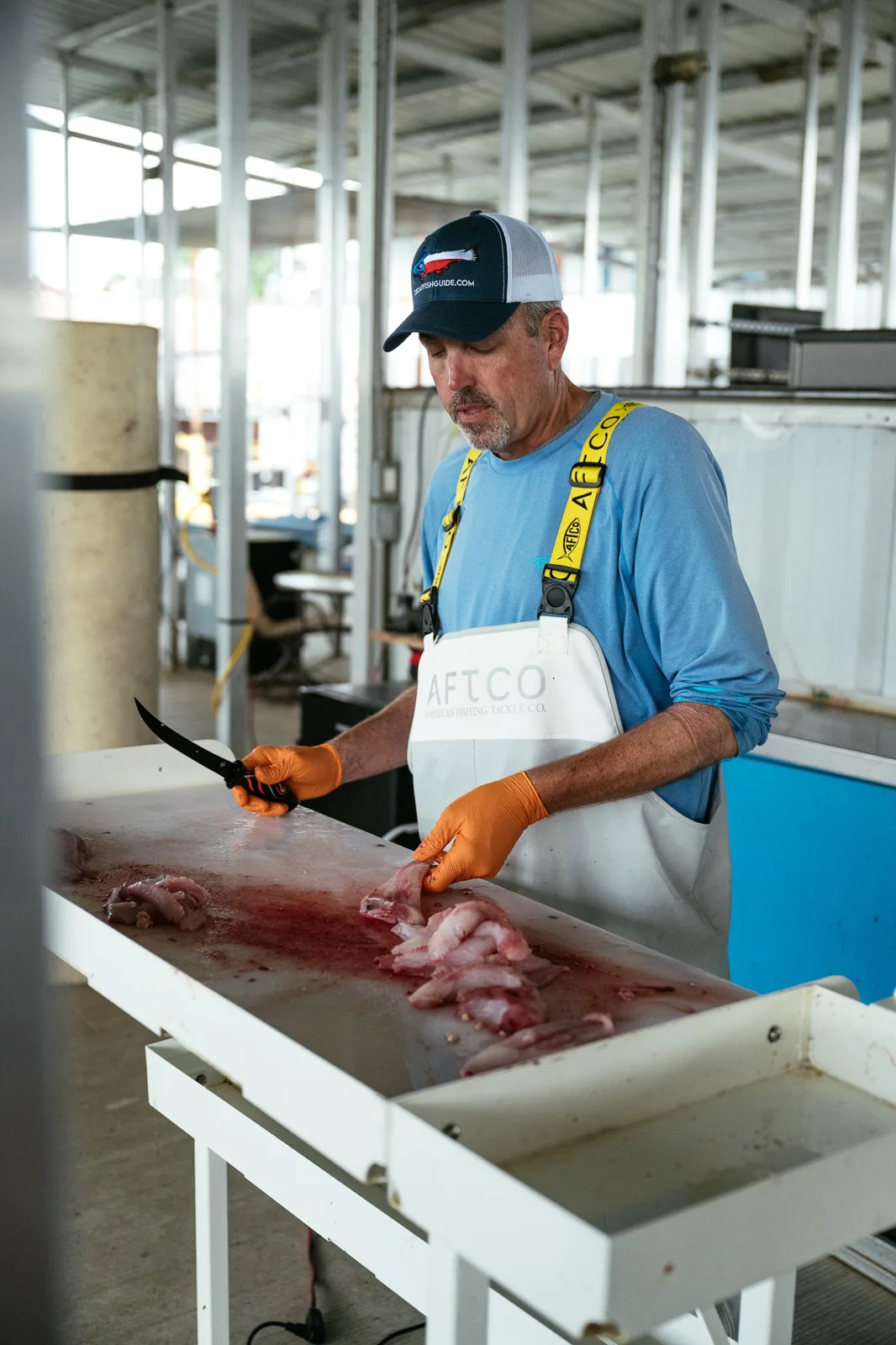
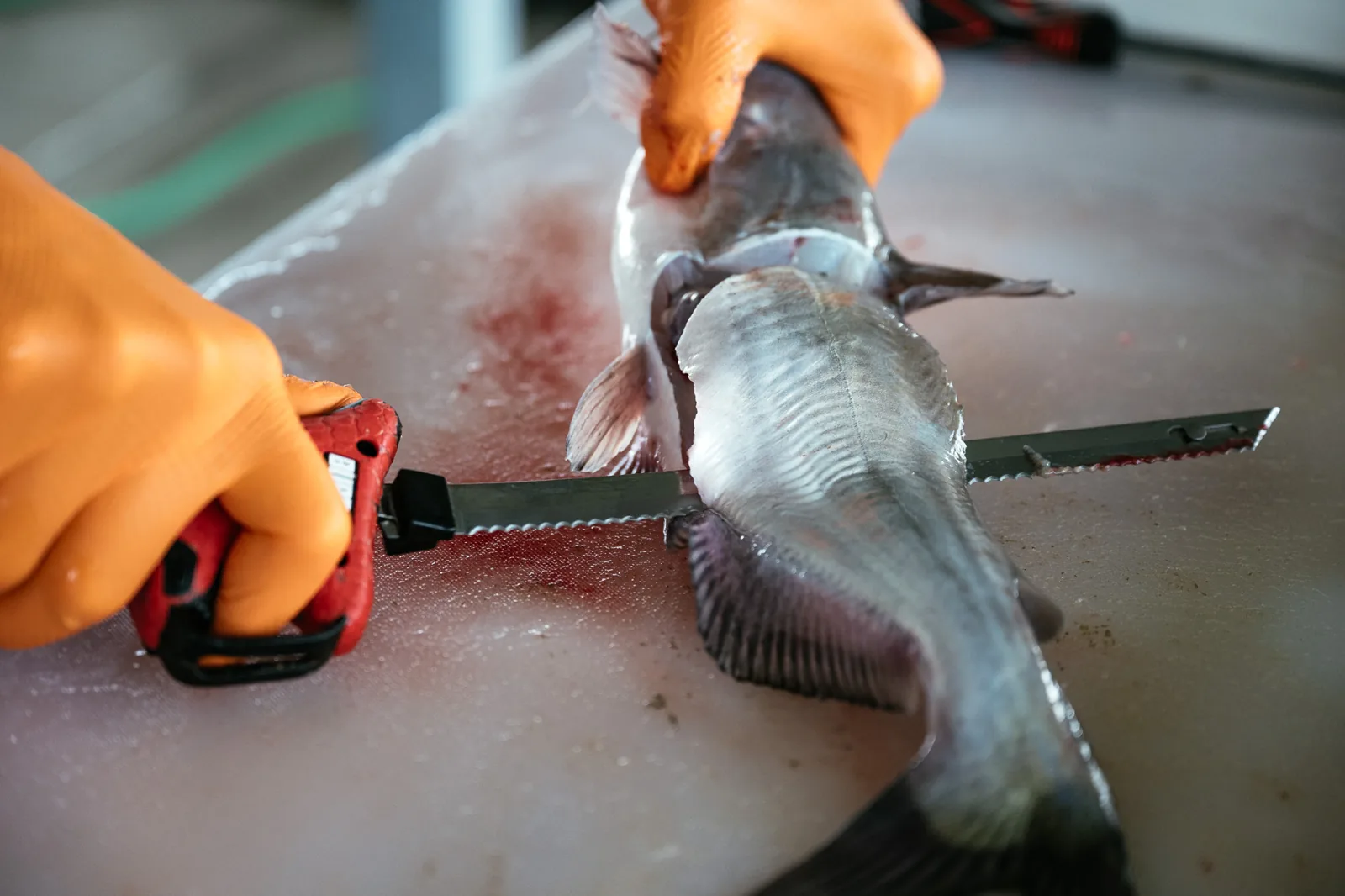
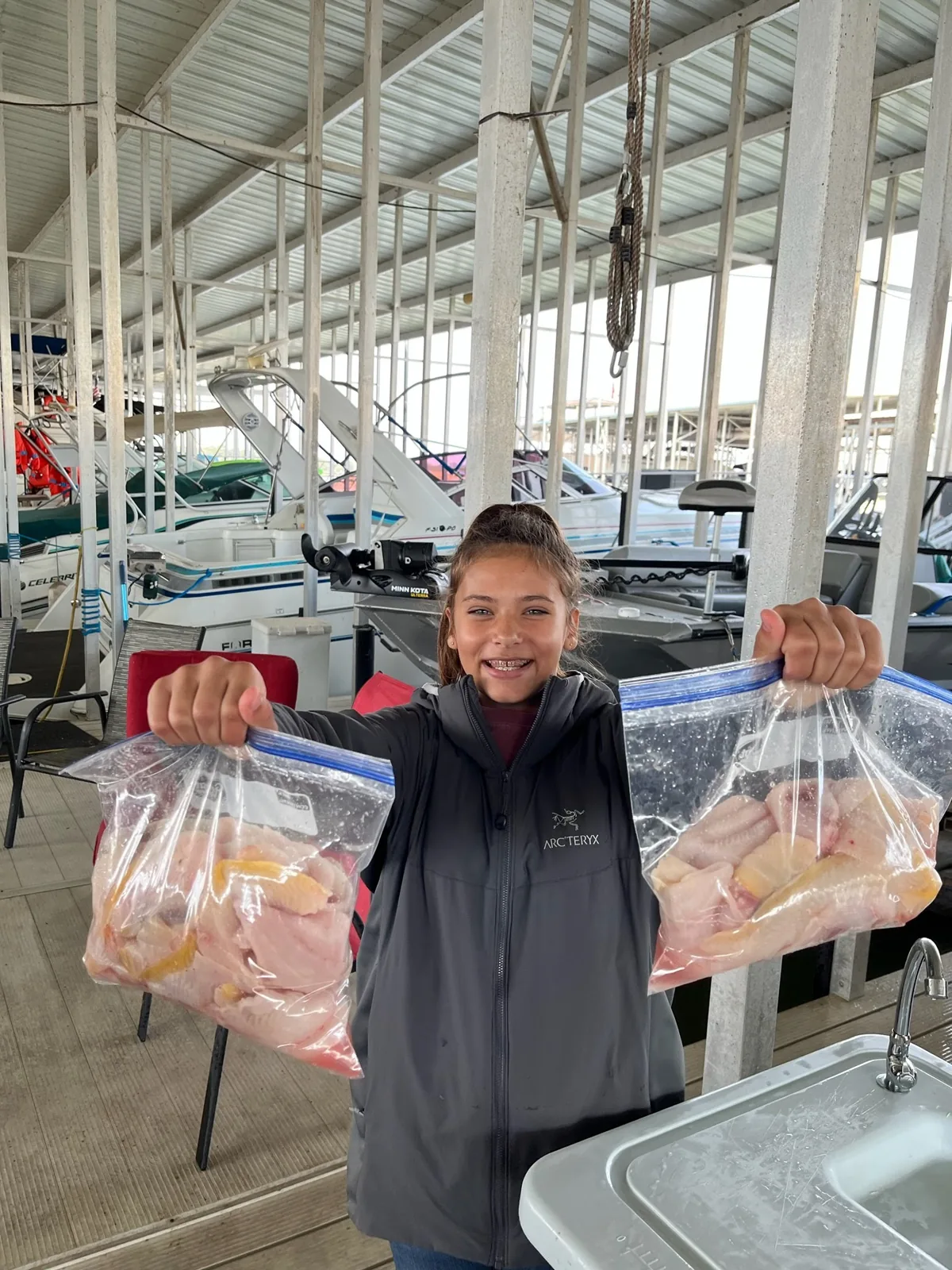
Bring a small cooler with ice to keep your fillets cold on the drive home. A cooler that fits in the floorboard of your car is plenty for most trips.
If you have a long drive or plan to make stops along the way, bring enough ice to keep the fish cold until you get home.
Chad’s Pro Tip: Bring the Cooler Before We Catch the Fish
Your fillets need a cold ride home. Bring your cooler and enough ice for the drive, especially if you’re headed back to West Texas. The fish shouldn’t get warmer every time you stop for gas, lunch or another bag of beef jerky.
The catch stays in my livewell during the trip. After I clean, wash, and bag your fillets, those bags go in your iced cooler for the drive home.
What to Do When You Get Home
Once you get home, wash the fillets again and decide whether you’re cooking them soon or saving them for later.
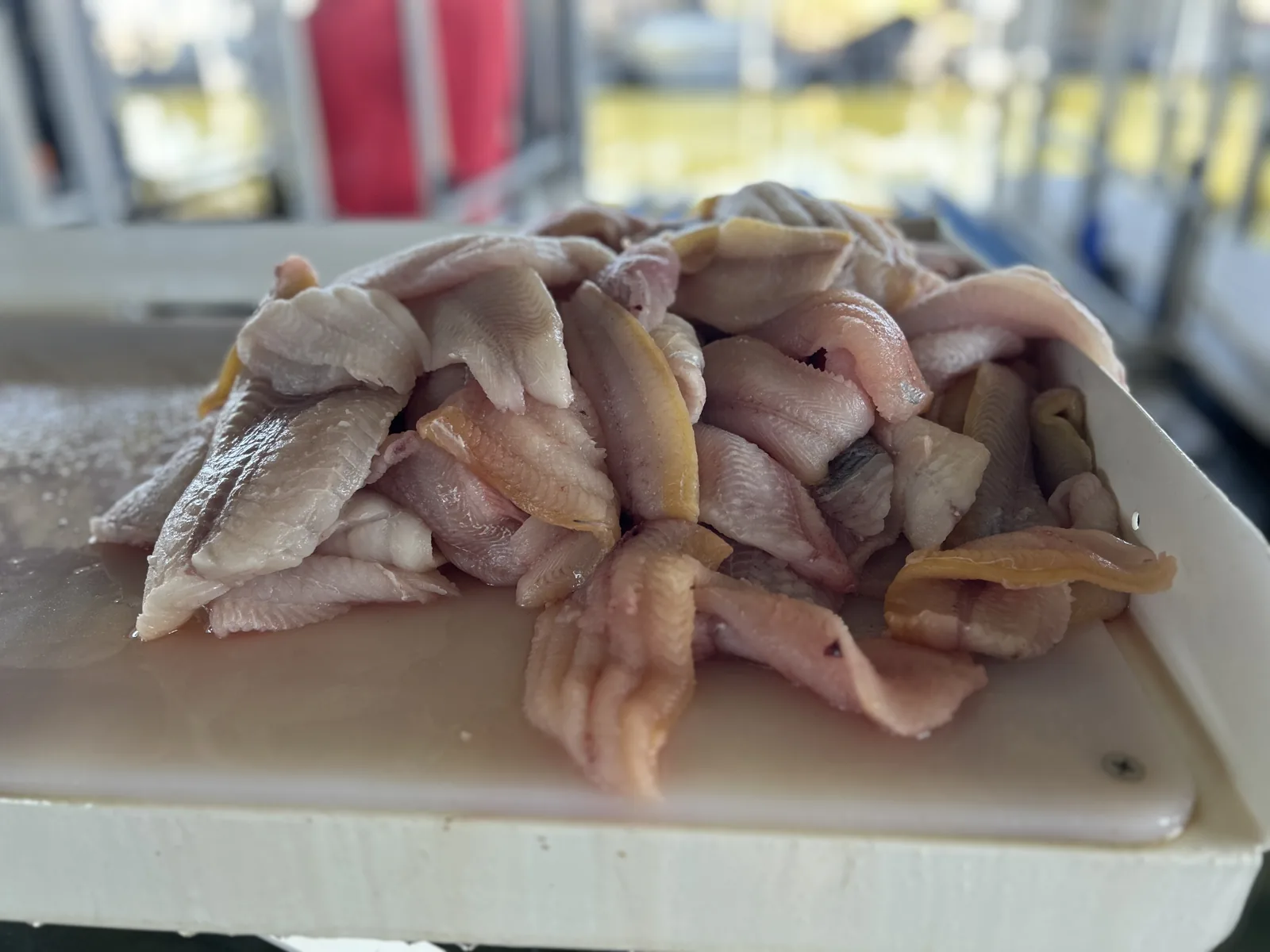
- Cooking them soon? Keep the fish refrigerated at 40°F or below and cook it within one to two days.
- Saving them for later? Wash and package the fillets, then put them in the freezer.
If you aren’t sure when you’ll cook your fish, go ahead and freeze it. You can pull out a package whenever you’re ready.
Wash Your Catfish Again Before Freezing
I wash your fillets after I clean them, but there may still be some blood left in the fish. In my experience, getting that remaining blood out before freezing makes a difference in how your catfish tastes later.
Here’s what I recommend:
- Clean and sanitize the sink before putting fish in it. Keep dishes and ready-to-eat food out of the area.
- Work with about half a bag of fillets at a time.
- Spray the fish with cold water using your sink sprayer.
- Keep rinsing until there’s no more foam in the water.
- Repeat with the rest of the fillets.
Chad’s Pro Tip: Work With Half a Bag at a Time
Don’t dump the whole catch into the sink at once. Work with about half a bag so you have room to move the fillets around and rinse away remaining blood and residue. I wash your fish at the marina, but this second wash is an important part of my preparation before freezing.
The foam is my rinsing cue, not a test of whether fish is safe to eat. Use a gentle spray to limit splashing, keep other food away and clean the sink and surrounding surfaces afterward.
Chad’s Pro Tip: Check Before You Pack
Run your fingers over each fillet and check for bones. If you have larger fillets, trim any remaining red meat. Taking a few minutes now beats finding a bone after everybody’s already sitting down to supper.
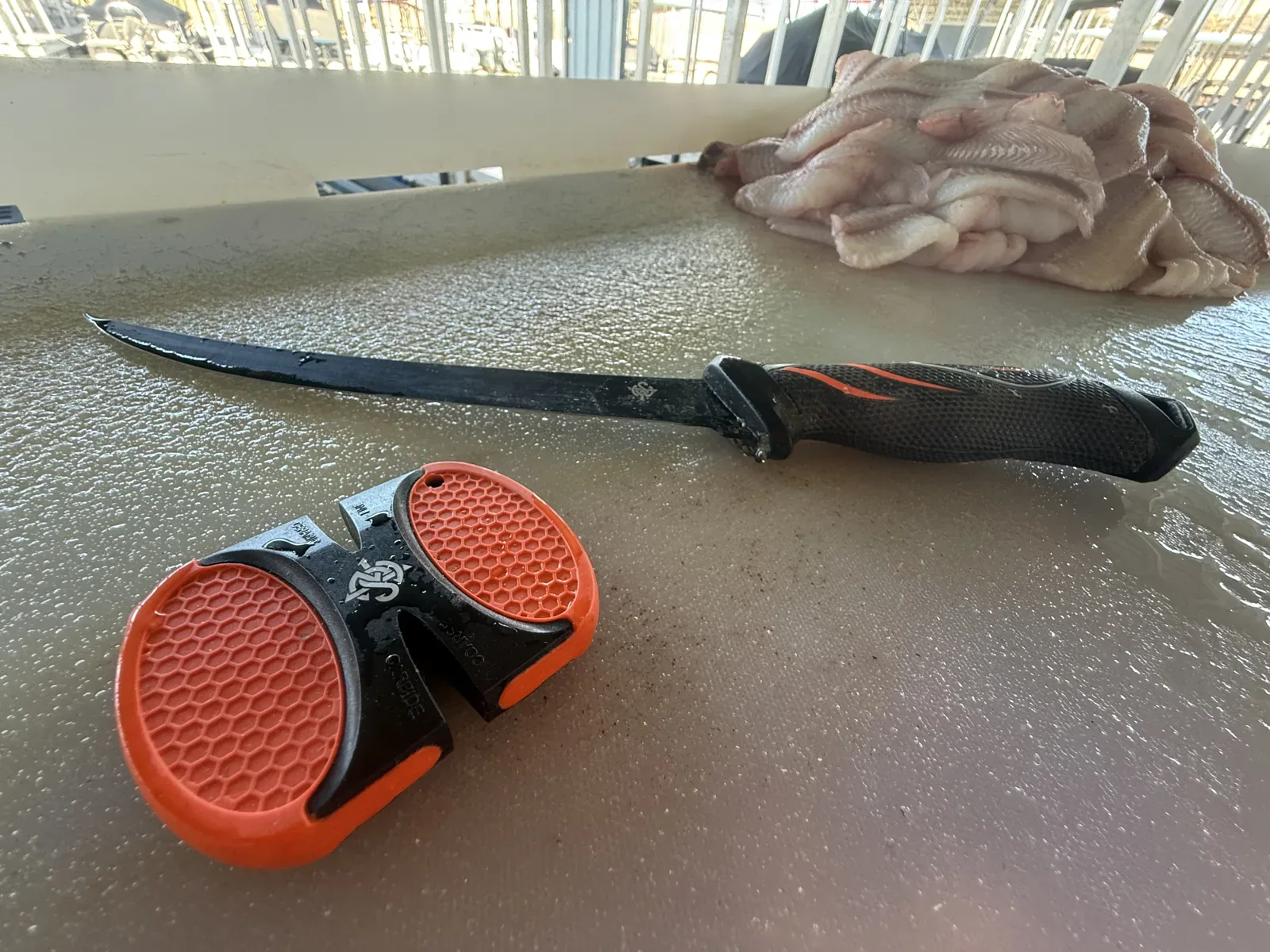
Pat the fillets dry if you’re cooking them or vacuum sealing them. Clean and sanitize the sink and surrounding surfaces afterward.
How to Freeze Your Catfish
Before you start packaging, think about how much fish your family will eat at one meal. Put that amount in each package so you can thaw what you need without taking the whole catch out of the freezer.
Chad’s Pro Tip: Freeze Supper-Sized Portions
Package what your family will cook at one meal. Freezing the entire catch in one giant bag means thawing the entire catch when you only wanted Tuesday’s supper.
Vacuum sealing is my preferred way to freeze catfish. If you don’t have a vacuum sealer, use the water-and-lemon-juice method below.
Option 1: Vacuum Seal the Fillets
- Divide your washed fillets into meal-sized portions.
- Pat the fish dry and place it in freezer-rated vacuum bags.
- Arrange the fillets flat and vacuum seal each bag according to your sealer’s instructions.
- Check that each seal is complete, and watch for sharp bones or damaged seals that could let air into the package.
- Label the bag with the contents and date, and freeze it flat.
Chad’s Pro Tip: Keep the Seal Area Clean
Keep fish, moisture and residue away from the part of the bag being sealed. Follow your sealer’s directions, then check each package for a complete seal. A bag with a bad seal defeats the reason you bought the machine.
Vacuum-sealed bags take up less space and are easy to stack.
When it’s time to cook the fish, remove it from the vacuum-sealed package before thawing.
Option 2: Freeze the Fillets in Water and Lemon Juice
If you don’t have a vacuum sealer, here’s what I recommend. My mixture is one teaspoon of lemon juice in one gallon of cold water.
- Stir the lemon juice into the water.
- Put a meal-sized portion of fillets in a freezer-rated zip-top bag.
- Add enough of the mixture to completely surround and cover the fish.
- Remove trapped air and seal the bag, leaving enough room for the water to expand as it freezes. Don’t fill a rigid container to the brim.
- Write the date on the bag and freeze it supported in a tray until solid.
Chad’s Pro Tip: Cover the Fish, Leave Expansion Room
Get the fillets completely covered and work out trapped air, but leave room for the water to expand. Freeze the bags in a tray until solid. Finding a leaking fish bag between the frozen peas and somebody’s ice cream won’t improve your popularity.
The water freezes around the fish and helps protect it from air and freezer burn. The bags take up more freezer space and may take longer to thaw than vacuum-sealed fillets.
This is my preferred mixture for freezing fish in water. The ice surrounding the fillets protects them from air. The lemon juice does not disinfect the fish or replace proper refrigeration and freezing.
Don’t just put a zip-top bag of fillets in the freezer without water. Air left around the fish can lead to freezer burn and affect the taste and texture.
How to Prevent Freezer Burn on Catfish
Freezer burn happens when exposed areas of fish lose moisture during frozen storage. Good packaging helps protect flavor and texture. Vacuum seal your fillets or keep them completely surrounded by water using the method above. Check packages for leaks, label every batch and keep your freezer at 0°F or below. Freezer burn affects quality. It does not, by itself, mean the fish is unsafe.
How Long Can You Keep Catfish in the Freezer?
Keep your freezer at 0°F or below.
Fish that stays continuously frozen remains safe, but the taste and texture can decline over time. For the best quality, the USDA recommends using frozen raw fish within three to eight months.
Put the date on every package and use the oldest fish first.
How to Thaw Frozen Catfish
Follow the package and vacuum-sealer instructions. Keep thawing fish refrigerated and contained to catch drips. Do not thaw on the counter.
Thawing in the Refrigerator
The easiest way to thaw catfish is in the refrigerator.
If your fish is vacuum sealed, remove it from the vacuum package before thawing unless the product instructions specifically provide another safe procedure. Put the fish in a covered dish or suitable container and place it in the refrigerator. Put a plate or tray underneath to catch any drips.
Allow enough time for it to thaw. Thin fillets may be ready overnight; a large bag of fish frozen in water may take longer.
Thawing in Cold Water
Need to thaw your fish faster?
- Remove it from any vacuum-sealed packaging.
- Put it in a separate leakproof bag.
- Submerge the bag in cold water.
- Change the water every 30 minutes until the fish is thawed.
- Cook it immediately after thawing.
Don’t thaw catfish on the counter or in hot water.
Once the fillets are thawed, pat them dry and follow my guide to frying catfish.
Can You Refreeze Catfish?
If your catfish thawed in the refrigerator and stayed properly refrigerated, you can refreeze it, although the texture and flavor may suffer.
If you thawed it in cold water, cook it before refreezing. Packaging your fish in meal-sized portions helps you avoid thawing more than you need.
Catfish Storage FAQs
Do I need to clean my fish after the trip?
No. I clean, wash, and bag the keeper fish you want to take home at the end of a regular trip. You should wash the fillets again when you get home before cooking or freezing them.
How do I wash the fillets when I get home?
Clean and sanitize your sink, keep other food away, and work with about half a bag of fillets at a time. Spray them with cold water until there’s no more foam in the water. The foam is my rinsing cue, not a test of whether the fish is safe to eat. Repeat with the rest of the fish, then clean the sink and surrounding surfaces.
How long can fresh catfish stay in the refrigerator?
Keep the fillets at 40°F or below and cook or freeze them within one to two days.
What’s the best way to freeze catfish?
I prefer vacuum sealing. It removes air from the package, and the bags stack easily in the freezer.
If you don’t have a vacuum sealer, put the fillets in freezer bags and cover them with a mixture of one teaspoon of lemon juice per gallon of water.
Can I freeze catfish in a zip-top bag without water?
I don’t recommend it. Air left in the bag can cause freezer burn and affect the fish’s taste and texture. If you’re using zip-top freezer bags, cover the fillets with the water-and-lemon-juice mixture before freezing.
Should I leave fish in a vacuum-sealed bag while it thaws?
No. Remove it from the vacuum package before thawing. If you’re thawing it in cold water, put it in a separate leakproof bag and cook it immediately after it thaws.
Related guides
Need the main ingredient? Come catch catfish with me. We provide the equipment, and on regular trips we clean and bag your keeper fish.
Pick a Date.
Booking 30–60 days out in peak season. Dates tight? Join the cancellation list: text CATFISH to (817) 518-7440 and you'll hear first when a date opens up.